The natural lens of the eye helps to focus light on the retina for clear vision. However, our clear natural lens begins to become cloudy over a period of time and this is known as cataract formation. It is a degenerative condition that interferes with vision. This impairment of vision affects the quality of life. Generally, cataract formation is age-related, but very rarely this condition can occur at birth or in younger people as well. If left untreated,
Blog
-

Choosing the Right Intraocular Lens: Make an Informed Decision
cataract can lead to blindness. -
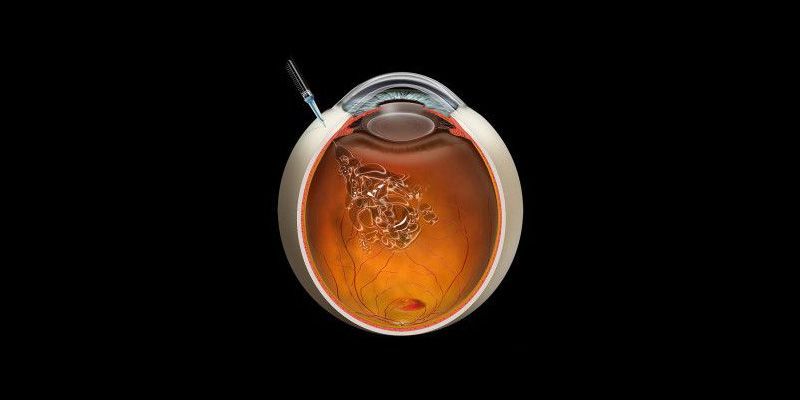
Intravitreal Injections: Indications, Procedure, Do’s, Don’ts and Myths
Intravitreal injections
The vitreous of the eye is an avascular, gelatinous and hydrated body that contains 98% water. The characteristics of this layer changes with age. With the advancing age, the vitreous becomes more liquid and mobile. Hence, the most effective way to provide high concentrations of therapeutic agents into the eye is through targeted delivery systems.
-
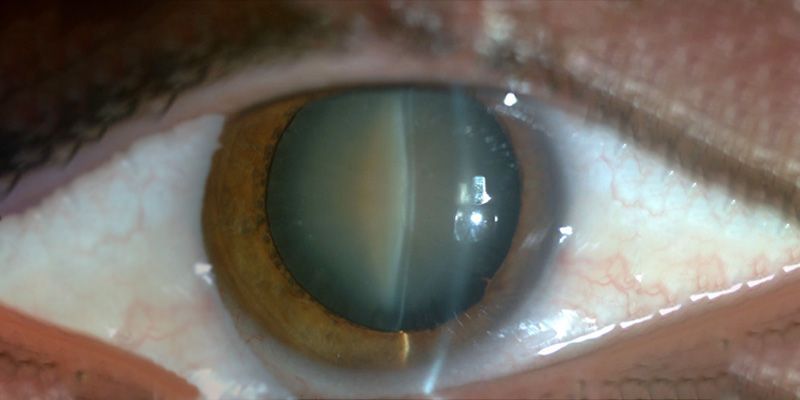
Cataract Surgery, Post-Operative Care | Neoretina
Cataract, a very common eye condition affects many people worldwide. Generally, cataracts are found in people older than 40 years of age. It is basically clouding of the eye lens due to ageing. But this eye condition affects vision and thereby the quality of life.
-
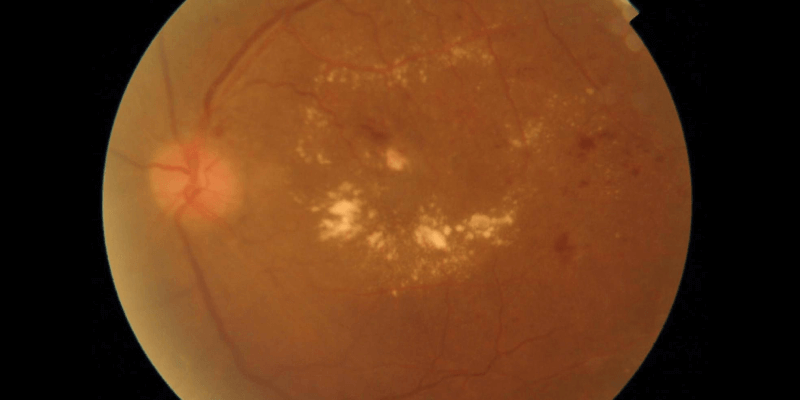
Diabetic Macular Oedema: Essential Information Every Diabetic in India Should Know
Diabetic macular edema (DME) is a serious and often overlooked complication of diabetes that can lead to significant vision problems. Many diabetics may not even realise that they are at risk for this condition.
-
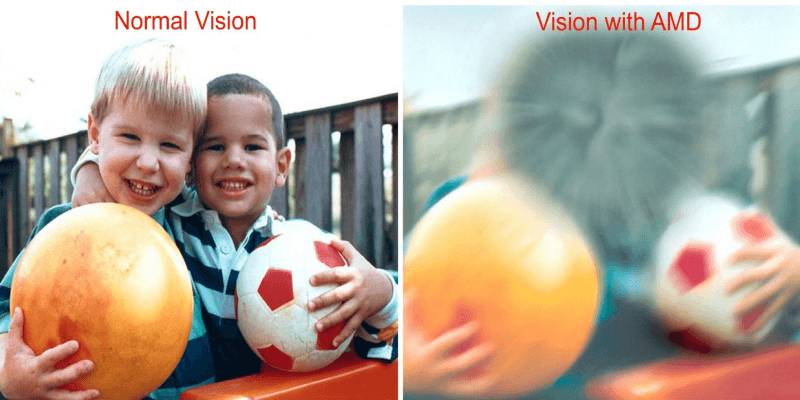
Latest Advances in Treating Age-Related Macular Degeneration
A rather frequent eye illness impacting the central vision, age-related macular degeneration, is a common eye disease that affects the central vision and is particularly common among older people. Thanks to this, such routine processes as reading, driving, and face recognition may be extremely difficult. A person at risk ought to be familiar with the symptoms, causes and treatment of this most frequent cause of vision loss in persons over 50. Get to know the latest disease, macular degeneration, and then read about the various types of age related macular degeneration and their impacts on vision.
-
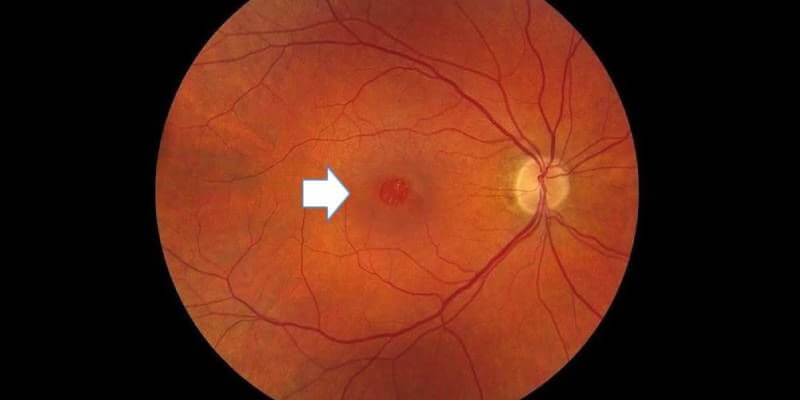
Symptoms, Causes, and Treatment for Macular Hole
The macular hole occurs most frequently in the elderly. Early detection and early treatment ensures better chances of gain in visual acuity. (more…)
-

Treat Cystoid Macular Oedema, for a better vision
Cystoid macular oedema is a painless condition which affects the macula – the central part of the retina (Figure 1.1 and 1.2). This condition occurs when fluid collects in the tissue at the back of the eye, including the area responsible for our central vision. This accumulation of multiple pockets of fluid as cysts in the macular area, is known as cystoid macular oedema. (more…)
-
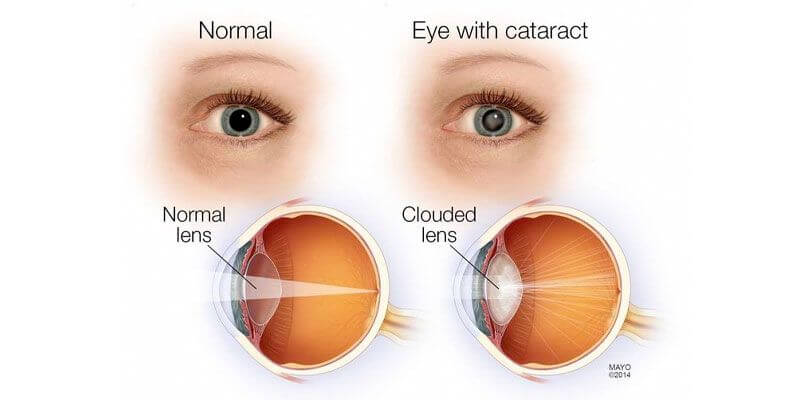
Debunking the Myths around Cataract
These surgeries are not risky, are not avoidable and are not very expensive. Clear out the cloud of some wrong perceptions about Cataract. Respect the health of your eye over assumptions.
-
Treat Cystoid Macular Oedema, for a better vision
Cystoid macular oedema is a painless condition which affects the macula – the central part of the retina (more…)
-
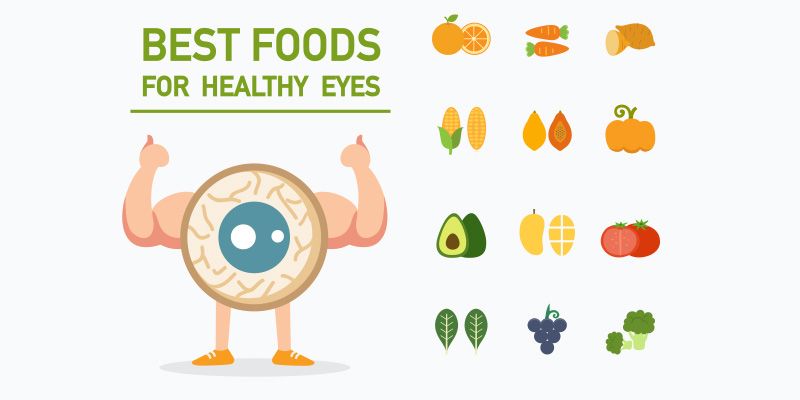
Top 10 Healthy Foods for Eye Care
Eyes are part and parcel to your well-being, and you should make it a priority to make sure your eyes are as good as they can be. With ageing, our eyes are bound to age too, although with adequate nutrition, some conditions that normally affect our eyes will be slowed in occurrence or even avoided. The inclusion of nutrient-appropriate foods to improve eye health in your daily diet plan will not only help you to preserve your vision in the future but will also help to avoid age-related diseases and will even help to improve your overall well-being. Here, we will outline the best healthy foods for eye care and what foods make your eyes healthier, and you ought to include them in your diet. Clear sight is one of the attributes of a healthy eye; however, healthy eyes are also indicators of a healthy body. If you add these foods for eye health to your diet, you will improve your vision and general health.
Best 10 Foods to Take Care of Your Eyes
Studying to correct your vision and save your eyes from any harm in the future, one of the best ways you can adopt is by consuming the right kind of foods. Whether it is superfoods for eye health or just a regular, everyday food, here is a list of the top 10 foods to help your eyes, and they can help.
-
Carrots: An Old Age Vision Food
Carrots have always been seen as being synonymous with great eyesight, and rightly so. They also contain high levels of beta-carotene, which is one of the insoluble vitamin A that is vital towards supporting good vision. Vitamin A aids in the absorption of light by the retina, and this gives clear, sharp vision. It is also helpful in acting against night blindness. The addition of carrots to your diet can greatly help to take care of your eyes.
-
Leafy Greens: Essential for Eye Protection
Lutein and zeaxanthin are very interesting antioxidants and are also found in leafy greens such as spinach, kale and collard greens, which also help in removing the damaging blue light and safeguard the inside of the eyes. The nutrients also minimise the possibility of age-related macular degeneration (AMD) as well as cataracts. Among the most effective healthy foods for vision, leafy greens provide decent natural protection of vision against decline.
-
Fish: Source of healthy Omega-3 Retinas
Fatty fish such as salmon, tuna or sardines are rich in omega-3 fatty acids. The beneficial fats are very significant since they assist in maintaining the retina and prevent the occurrence of the dry eye condition. Fish is one of the best foods that promote the health of the eyes, as omega-3s also promote the health of the eyes. By increasing the frequency with which you consume fish, you will provide the nutrients for eye health needed to care for and preserve them.
-
Eggs: Rich in Nutrients to Improve the Strength of the Eyes
Eggs contain lutein and zeaxanthin as antioxidants that do not allow harmful light to enter the retina. They also contain a lot of zinc, which helps in night vision and stops macular degeneration. Eating eggs regularly could provide your eyes with the nutrients that they need to be strong and healthy.
-
Citrus Fruits: Vitamin C and Eye Care
Fruits that are fresh, like oranges, lemons and grapefruits, are abundant in vitamin C, which is a very strong antioxidant for the eyes and should be regarded as a shield against oxidative damage. The use of vitamin C finds its essence in assisting in taking care of the eyes by ensuring that the eyeballs have good blood vessels. It is also essential in the synthesis of collagen, which keeps the form of the eye.
-
Nuts and Seeds: Packed with Antioxidants for Vision Support
Another thing that is vital to healthy eyes is the vitamin E nutrient, which can be found in nuts such as walnuts or almonds or seeds such as chia or flax seeds. Vitamin E has proven to have antioxidant qualities that prevent any damage to the eyes by free radicals. These are good-tasting foods for your eye health and provide you with a bite of crunchiness in your diet.
-
Sweet Potatoes: Beta-Carotene and Eyes
Sweet potatoes, like carrots, are also rich in beta-carotene, which is converted to vitamin A in the body. Beta-carotene will be important to cover the eye surface, clear dryness, and bring out clear eyesight. You can easily incorporate sweet potatoes into your diet to ensure you see better and are more nutritious.
-
Bell Peppers: Rich in Vitamin A Content to Give the Best Vision
Bell peppers, and particularly the red ones, are rich in vitamin A, vitamin C and beta-carotene, all of which are great in promoting healthy eyes. All these nutrients in combination render bell pepper as one of the excellent healthy foods for vision. These colourful vegetables reduce the chances of getting cataracts and also improve vision and general health.
-
Berries: Strong Antioxidants to Help Save Eye Health
Blueberries, strawberries and blackberries are some of the berries with a high concentration of antioxidant content that include a lot of antioxidants, in particular vitamin C and anthocyanins, which protect the eyes and help prevent their damage in the presence of oxidative stress. The vitamins help in preventing the development of cataracts and the degeneration of the macula. Eating berries of all kinds is a tasty and simple food for your eye health.
-
Tomatoes: Eye Protection and Eye Preservation with Lycopene
Tomatoes contain lycopene, which is an antioxidant that helps to shield the eyes against oxidative stress and UV attack. Prevention of age-related diseases of the eye, like macular degeneration, is the other advantage of lycopene in the body. You can improve the condition of your eyes with the help of tomatoes and avoid the emergence of eye diseases.
How to Incorporate These Foods into Your Daily Diet
You do not have to complicate the process of including these eye health foods in your diet. These are some of the easy tips to start with:
- An easy way of adding leafy greens to smoothies or salads as a quick nutrient power pack.
- Have some seeds and nuts as a snack throughout the day.
- Add citrus to your breakfast by taking some oranges or grapefruit in your morning meal.
- Try new dishes which contain fish or eggs as the primary component.
With these foods, you can achieve eye health through long-term use of these foods with small alterations in your diet.
Lifestyle Tips for Maintaining Good Vision
Besides using the correct vision-promoting foods, other lifestyle activities can boost your sight even further:
- Get an eye check-up done regularly by an eye care professional.
- Wear UV-protecting sunglasses to protect your eyes against the sun.
- Put a restriction on screen time and include breaks to limit digital eye strain.
- Smoking is one of the risk factors in the development of eye diseases, and therefore, stop smoking.
Neoretina: The Best Eye Hospital in Hyderabad
Healthy eyesight is an important issue which can ensure your future health. The best 10 foods for eye health in case you can incorporate into your day-to-day diet. However, in a situation where you might need professional advice or even be experiencing issues with the eyes, a highly competent team of professionals always awaits you at Neoretina Eyecare Institute. Years of experience and a constant specialisation in the eye health of individuals make us guarantee and deliver to you the best care that takes all of your eye concerns. Let us assist you in maintaining healthy eyes throughout your years.
FAQ’s
-